I’ve worked at GM Moving (formerly GreaterSport) since 2009. During that time, both our organisation and the role of marketing and communications in helping people move more have evolved. This blog shares what we have learnt so far and offers practical reflections for partners across Greater Manchester.
Our journey
Social media is a key part of our marketing and comms strategy, but at one point putting content on social media was the main thing we were being asked to do. Promotion on social media still matters, but in a whole-system approach marketing and communications have a much wider role.
So how did we move from providing promotional support to making marketing and communications an embedded, vital part of the GM Moving in Action strategy? Five areas have been central to our journey.
1. Frame movement differently
What we did
We have changed the way we spoke about movement, physical activity and sport.
Why we did it
We recognised that inactivity is not simply the result of individual choice. The wider system shapes how easy – or difficult – it is to be active. Sedentary jobs, transport options and environments designed for convenience can all reduce everyday movement. When these barriers exist, it is neither accurate nor fair to blame individuals. We all have a role in making movement a natural part of daily life.
What changed
This framing helps people look at the bigger picture, feel less judged and more able to engage. It also shifts the question from “Why aren’t people active?” to “What can we do to make movement easier?” Partners can then consider how their own decisions, services and places can help people build movement into the day.
One example is how we are understanding the different factors that influence a child’s activity levels.
2. Build a consistent narrative
What we did
We invested time in agreeing clear, consistent messages about GM Moving and the wider work. We supported colleagues and, where appropriate, partners to use those messages confidently.
Why we did it
A shared narrative helps people connect individual programmes, local activity and partner contributions to the wider ambition. Without it, valuable work can feel fragmented or disconnected.
What changed
We all became better able to explain the work, recognise our contribution and describe its collective impact. For example, as an organisation we could create a business plan that clearly showed our role and contribution to the GM Moving: Active Lives for All strategy.
A consistent narrative also strengthened the sense of belonging across different localities and organisations.
3. Make campaigns visible and locally relevant
What we did
With funding for a Greater Manchester physical activity campaign, partners came together to shape the brief. Before we developed the campaign there was a research piece with Britain Thinks and the result was That Counts!, our first Greater Manchester-wide campaign. Based on the learnings from That Counts! We later developed a more hyperlocal approach to campaigns working with place leads across Greater Manchester.
Why we did it
If we want to change culture, people need to see what is possible. That Counts! challenged the idea that being active must mean going to the gym or going for a run. Dancing around the living room or doing calf raises while drying your hands counted too.
What changed
Our work with Britain Thinks transformed how we understand, see and talk about movement. It challenged assumptions about what ‘counts’ and helped us confront the realities of trauma and exclusion that can shape people’s experiences of physical activity, sport and PE.
By combining evidence with the voices and experiences of Greater Manchester residents, the research gave us greater confidence to challenge cultural norms, mindsets and language – particularly beliefs about which forms of activity are valued. It also brought greater focus to the structural and systemic barriers that continue to prevent people from moving more.
The campaign reached hundreds of thousands of people and raised awareness of the many forms movement can take. The insight behind it also influenced how movement is discussed in Greater Manchester and beyond.
We also learnt that one campaign cannot resonate equally with all residents. Although That Counts! was well received in many places, some audiences did not see themselves in it. Our next phase therefore focused on smaller, locally relevant campaigns shaped around the people and places they aimed to reach.
4. Make representation intentional
What we did
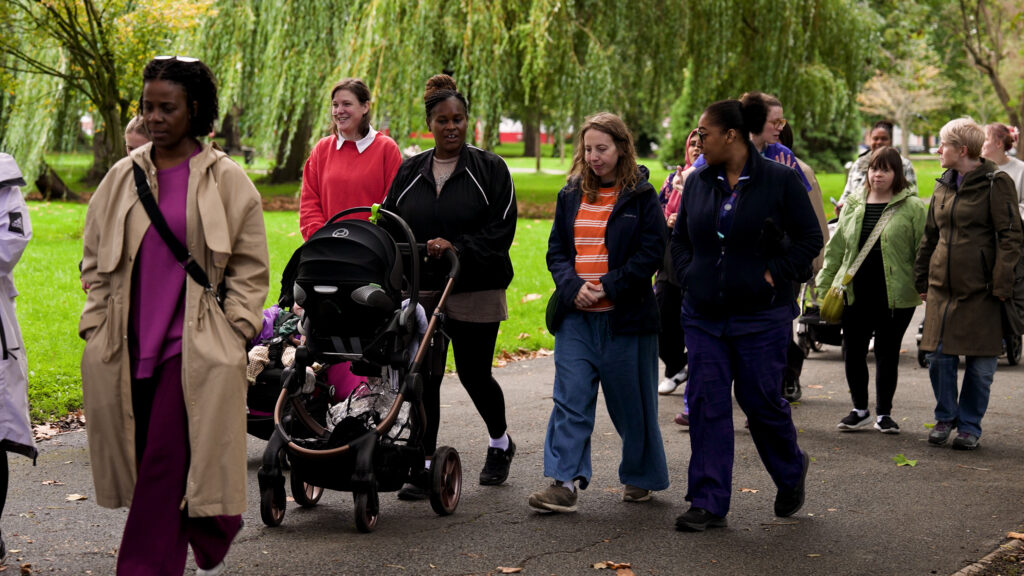
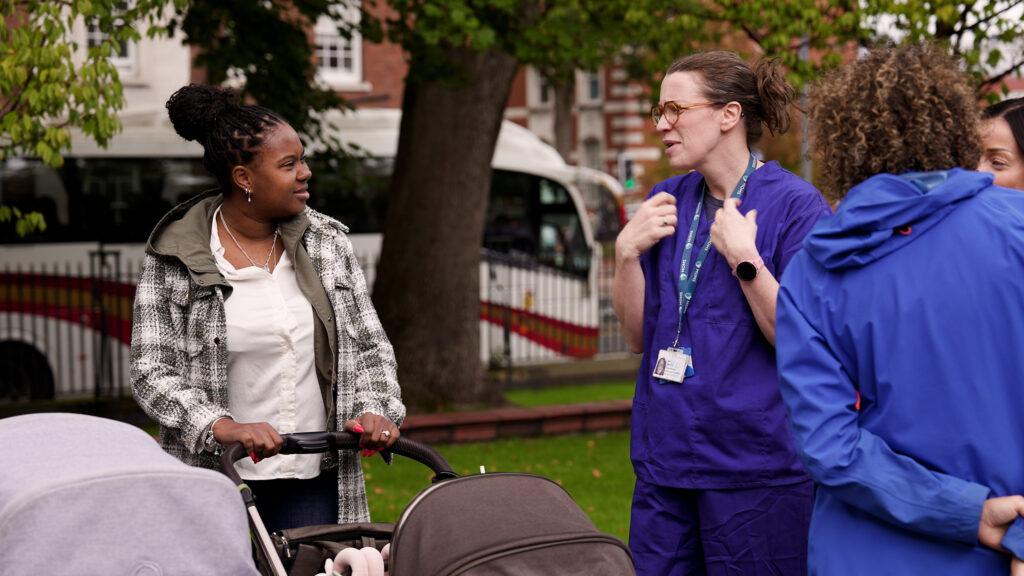
Greater Manchester is wonderfully diverse, and we wanted our communications to reflect that. We used representative images, stories and videos so that more people could see themselves in the work.
Why we did it
Representation matters. We want people to feel that movement is for them and that our work and events are places where everyone can belong. Seeing someone you relate to can create the feeling: “This is for me.”
Personally if images of only very fit, toned people in gym advertising can be off-putting. I may admire them, but I do not necessarily feel that the space is intended for me. Representation matters in partner-facing communications too: everyone should be able to see a place for themselves in this work, because we all have a role to play in helping people move more.
What changed
People have told us that our brand, communications and wider work gave them confidence that GM Moving was a place for them. What they saw on our website and social channels provided evidence of inclusivity. We have seen an increase in the number and in the diversity of applications when recruiting for new staff and board members and new recruits have told us that our marketing and communications encouraged them to apply as the organisation felt like somewhere for them.
5. Use stories to make change meaningful
What we did
We embedded storytelling across the organisation, using a simple “head, heart, hands” framework:
Head: help the audience think differently.
Heart: help the audience feel something.
Hands: give the audience something they can do, adapt or act on.
Why we did it
People often make sense of the world through stories. A strong story can achieve something that facts, instructions or warnings alone rarely do: it can make people feel – and feelings can move people to act.
Think of a good story you have heard recently. What did you do with it? When I hear a good story, I share it. That reach matters. When a story is memorable, people can carry it into rooms where we are not present.
What changed
Stories have helped partners and policy-makers understand the value of the work and recognise their role in it. They are influencing conversations and supporting change. Here’s an example of us shining a light on Active Practices to help grow more across Greater Manchester.
What does this mean for you?
The central lesson from our journey is that marketing and communications are much more than promoting a programme or service. They can:
- shape the culture of the wider system
- help create a culture in which movement is for everyone
- help people understand the role they can play
- form part of the solution.
That is why we believe marketing and communications should be embedded throughout the work to support active lives for everyone in Greater Manchester and beyond.
Let’s talk
If you would like to discuss any of these lessons, or share learning from your own work, please email me.