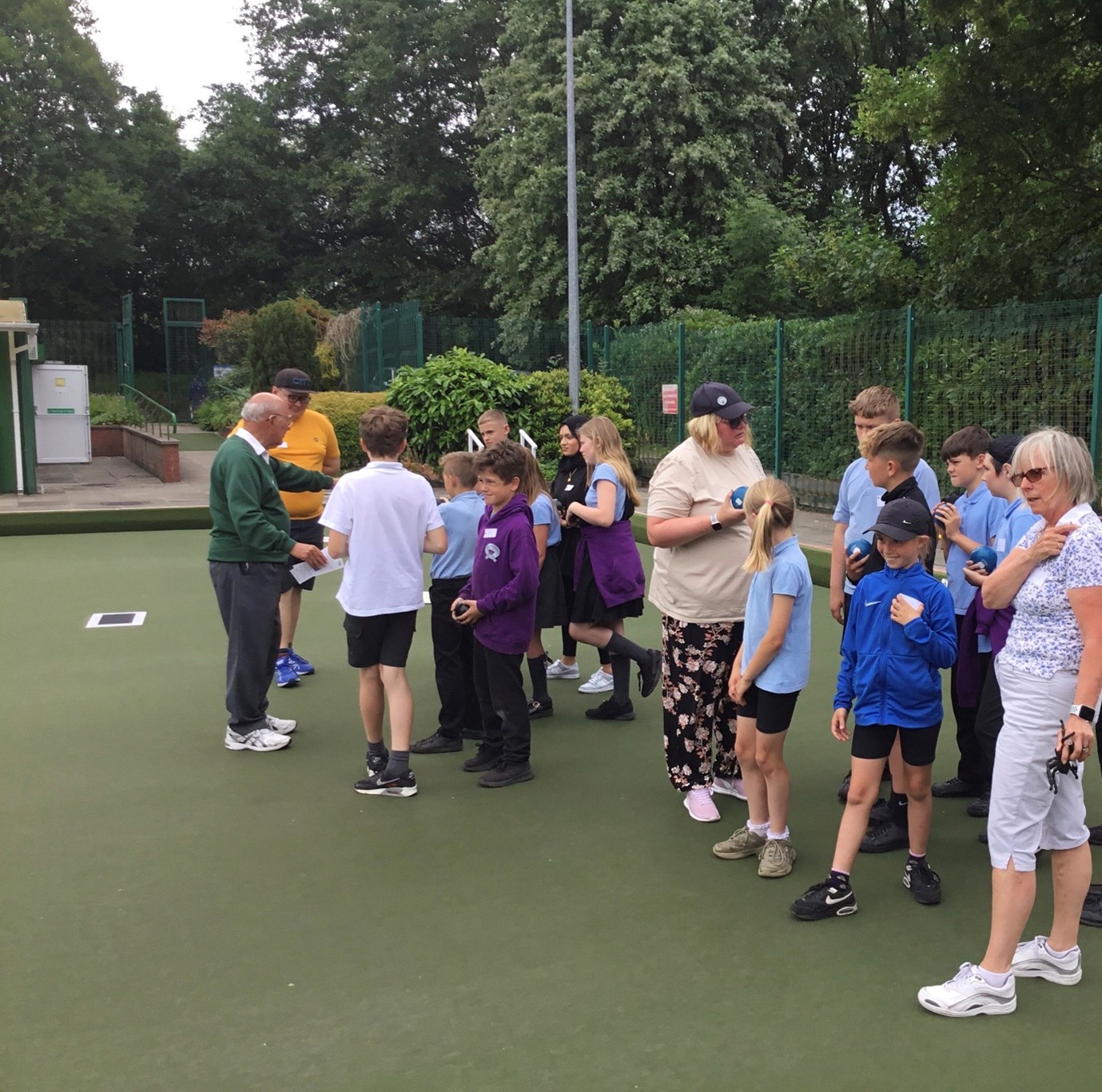
This case study outlines the development and impact of work undertaken with Bolton Flat Greens Bowling Club, highlighting how the activity aligns with tackling inequalities, community‑led approaches, collaboration between partners, and the application of learning into action.
Tackling Inequalities
Bolton Flat Greens Bowling Club sought to widen access to physical activity by offering an alternative to more traditional and popular sports such as football. The club aimed to engage individuals, particularly young people, who were not currently involved in organised sport and who may face barriers to participation.
Through outreach activity, the club delivered inclusive taster sessions at Leverhulme Leisure Centre during the summer period. These sessions engaged carers and young people who attended to explore a range of sports, including Wheels for All, Archery, Bowls and a walking club. This approach helped reduce barriers to participation by offering varied, accessible activities in a supportive environment.
In addition, coaching sessions delivered by the club have included work with young people with Special Educational Needs and Disabilities (SEND). Holiday sessions delivered in Westhoughton attracted over 20 young people on several occasions, providing accessible and inclusive opportunities for physical activity.
Community‑Led Approaches
When engagement with Bolton Flat Greens Bowling Club began, the club expressed a desire to become more involved within the local community. This aligned with the piloting of a hyper‑local, Asset Based Community Development (ABCD) approach, which focuses on building on existing strengths and assets within communities.
The club took ownership of its development by seeking Bolton Mark registration and investing in its members through coaching qualifications with Bowls England. The ambition to develop a junior section and increase membership was driven by the club’s own aspirations and community insight, ensuring sustainability and long‑term impact.
Local primary schools played an integral role in this approach. Free coached sessions were initially offered to three local schools, delivered both at the club and within school settings. These relationships have been maintained and remain active over three years later, demonstrating strong, embedded community connections.
Collaboration Between Partners
The success of this work has been underpinned by partnership working across multiple sectors. Connections were established between the bowling club, local schools, leisure services, public health teams, and national sporting bodies and other community groups.
Bolton Flat Greens Bowling Club has worked alongside the local Public Health Team, providing insight and feedback into campaigns, including the development of the Five Ways Happy Days Clubs and Groups Bronze Accreditation. This ensured that programmes were informed by community‑based practice and community voice experience.
The club’s work with schools, community groups, and holiday provision demonstrates effective collaboration, enabling shared resources, wider reach, and increased visibility of the sport across Bolton.
Putting Learning into Action
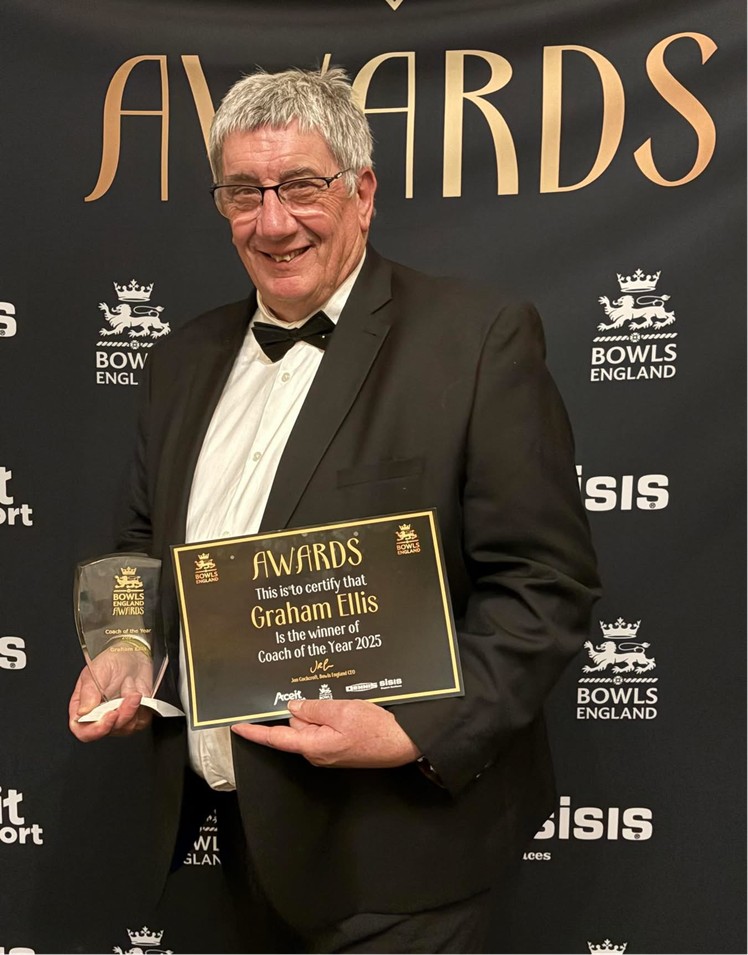
Learning from delivery and community engagement has been actively applied at both local and national levels. One of the club’s coaches, Graham Ellis, won the Bowls England Coach of the Year Award, with Deb Flint also nominated in the same year. This recognition reflects the quality and impact of the club’s coaching model.
Building on his local experience, Graham Ellis has contributed to the development of a national schools coaching programme for Bowls England, directly informed by his work delivering school sessions in Bolton. He is one of a number of level 3 coach’s putting players on Bowls England Commonwealth Games pathway.
Deb Flint, another coach at Bolton Flat Greens Bowling Club, has also played a key role in expanding coaching activity. She is currently developing the Bolton Bowls Academy, a programme dedicated to introducing young people to bowls. Through her coaching journey, Deb has successfully adapted delivery to meet the needs of diverse groups, including young people with SEND, and has continued to refine practice based on feedback and participation levels.
This case study demonstrates how community ambition, supported through partnership working and learning‑led practice, can create inclusive, sustainable opportunities for physical activity while influencing practice beyond the local area.