One year on from the end of Opening Facilities (OSF) Funding, Lauren Whaley and Oliver Thomasson, OSF leads in Greater Manchester, reflect on the evolution of the work and how opening facilities is still being prioritised across Greater Manchester.
Across the country, 39% of school sports facilities are closed during holidays. Yet schools are often some of the most trusted, accessible and familiar spaces within a community. Opening these spaces after hours, on weekends and during holidays creates opportunities for children, young people and residents to be active in ways that feel safe, local and relevant to them.
Change of Approach
Over the past six months, our work through the Opening School Facilities (OSF) programme has increasingly moved beyond a transactional, programme-led approach towards something more collaborative, relational and system focused. Rather than concentrating purely on delivery outputs, we have been exploring how schools, community organisations and wider partners can work together to shape the conditions that enable long-term participation and community connection. The main aim of this work continues to ensure children, young people their families and the local community have welcoming places to spend their free time and be active afterschool, in the evening, weekend and school holidays.
A significant shift has been recognising our role less as programme managers and more as connectors, conveners and relationship builders. Through OSF, we have strengthened partnerships between schools, community organisations and local system partners, helping create more joined up approaches to physical activity and community engagement.
Earlier in the programme, delivery was often centred around short-term activity schedules or one-off equipment purchases. While valuable in the moment, partners increasingly recognised that this alone was not creating sustainable change. Through collaborative conversations and shared learning, the focus began to shift towards investing in the infrastructure and conditions that support long-term access to facilities. This included improving access systems, strengthening local partnerships and creating ongoing opportunities for communities to use school spaces beyond the life of the funding.
In many ways, this represented a move from delivering activities to communities towards shaping environments with communities.
Working with Schools
One of the most important developments has been the evolution of our work with schools themselves. Through deeper relationship building, schools have increasingly started to see themselves not only as education settings, but as community assets with an important role in supporting health, wellbeing and social connection locally.
“The biggest shift in practice has been recognising education sites as community assets and community hubs.”
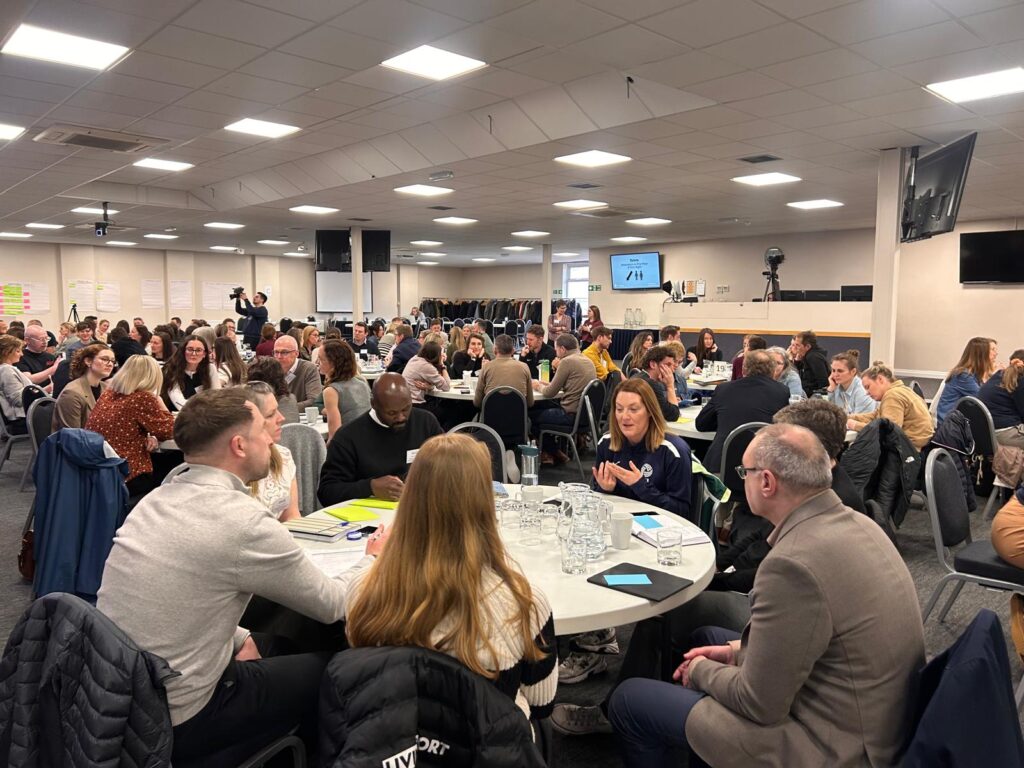
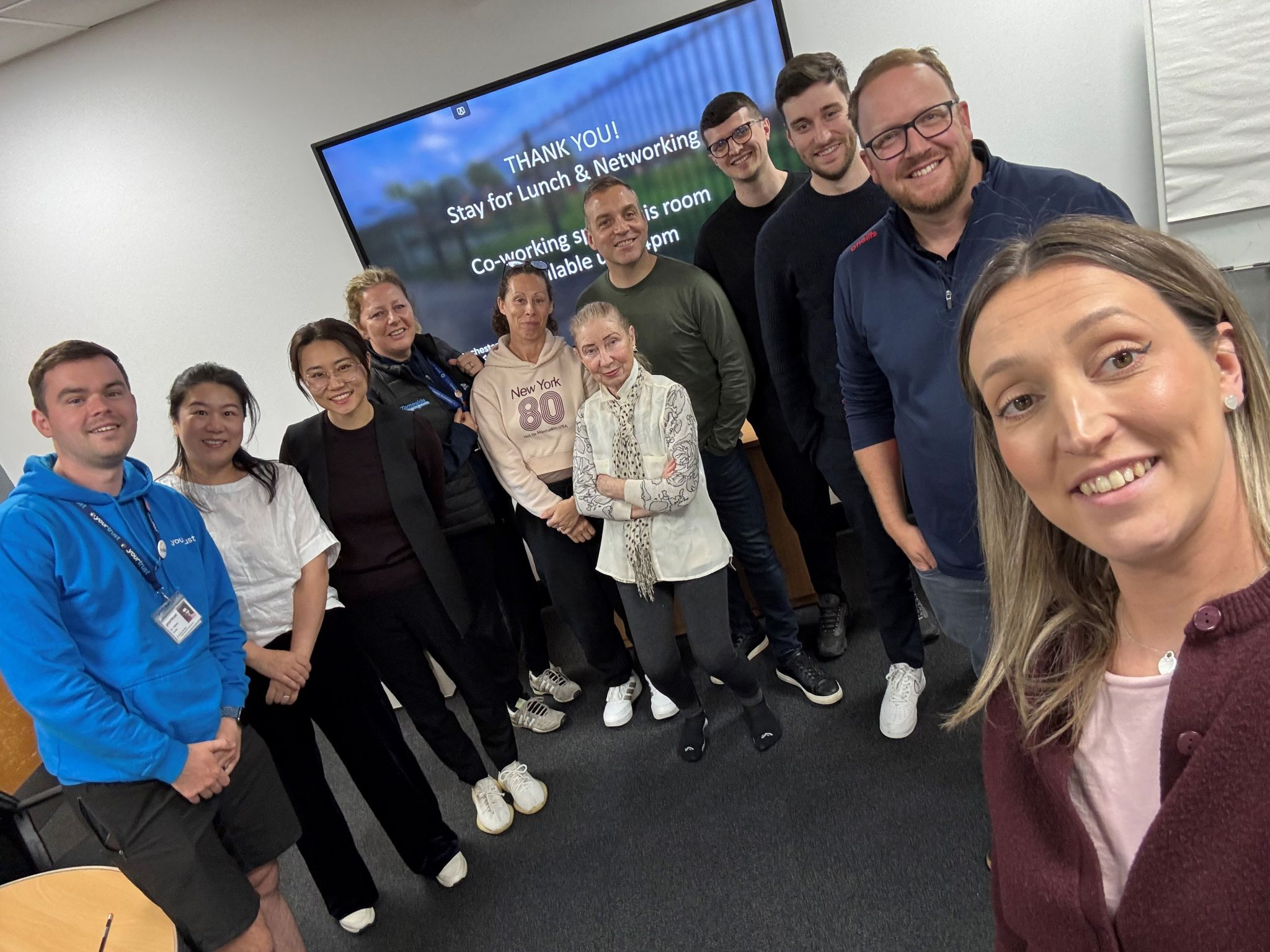
To support this, we established the Greater Manchester OSF Network, an in-person space bringing together schools, community organisations and local partners to share learning, collaborate and think more systemically about how trusted local spaces can support physical activity. The forum has become a valuable mechanism for partnership building, collective problem solving and connecting people working towards a shared goal across different sectors and neighbourhoods.
“Meeting others from within GM all working towards a common goal.”
“Being introduced to people who work in different areas and companies who I could collaborate with.”
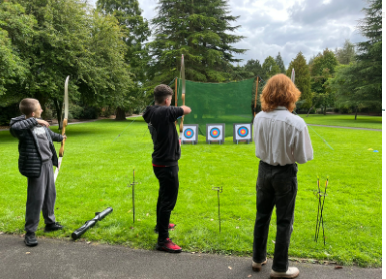
These conversations have also challenged assumptions about how young people engage with school spaces outside formal education hours. Some partners initially believed young people would not want to return to school settings during evenings, weekends or holidays. However, insight gathered collaboratively with communities suggested the opposite. Many young people viewed schools as safe, familiar and accessible spaces, particularly in neighbourhoods where alternative provision was limited.
This learning reinforced the importance of listening deeply to communities rather than relying on assumptions about what people may or may not want. By creating opportunities for co-design and ongoing feedback, partners have been able to adapt provision in more responsive ways. Activities have become increasingly flexible, evolving week by week based on what young people and communities say they value and need.
“Activities might look different week by week because young people don’t always want a fixed sport offer. Flexibility has been key to making the spaces relevant to them.”
The importance of relationships
A major learning throughout this journey has been the importance of relationships. As financial resources reduced, there was a natural shift away from transactional delivery models towards more relational ways of working built on trust, collaboration and shared purpose. In many ways, this proved to be a stronger driver of sustainable change than funding alone.
“What moving away from funding has enabled us to do is build trusted relationships. That’s where the real long-term change happens.”
The past six months have also highlighted the similarities between OSF and broader place-based approaches, including connections with initiatives such as Holiday Activities and Food (HAF). Across these programmes, a common theme continues to emerge schools can and should play a wider role as trusted community hubs, and sustainable change relies on local partners working together around shared goals rather than operating in silos.
This reflection has shaped how we see our role moving forward. Increasingly, our contribution is about convening the right people, strengthening relationships and creating spaces for collective thinking, shared learning and collaboration.
What now?
Going forward, our focus will continue to centre on enabling and connecting local partners, supporting schools to recognise their role as community assets and helping create more joined up approaches across programmes and place-based work. By reducing siloed working and strengthening collaboration locally, we can help build a more equitable and sustainable system one that better reflects the voices of underrepresented communities and creates the conditions for more people to be active in ways that matter to them.
To find out more about this work, including stories, videos and contact details please visit the GM Moving Safe Spaces page.