GM Moving and This Mum Moves are helping midwives integrate physical activity into pregnancy care. Their training empowers the next generation of midwives to support movement as a normal part of pregnancy and early motherhood. The NHS 4 Ways Forward, states the importance of equipping the workforce with the skills and confidence to discuss the importance of physical activity and that is exactly what this piece of work does.
Movement is a key part of people’s ability to live healthy, happy lives but being active is not always as easy as it should be.
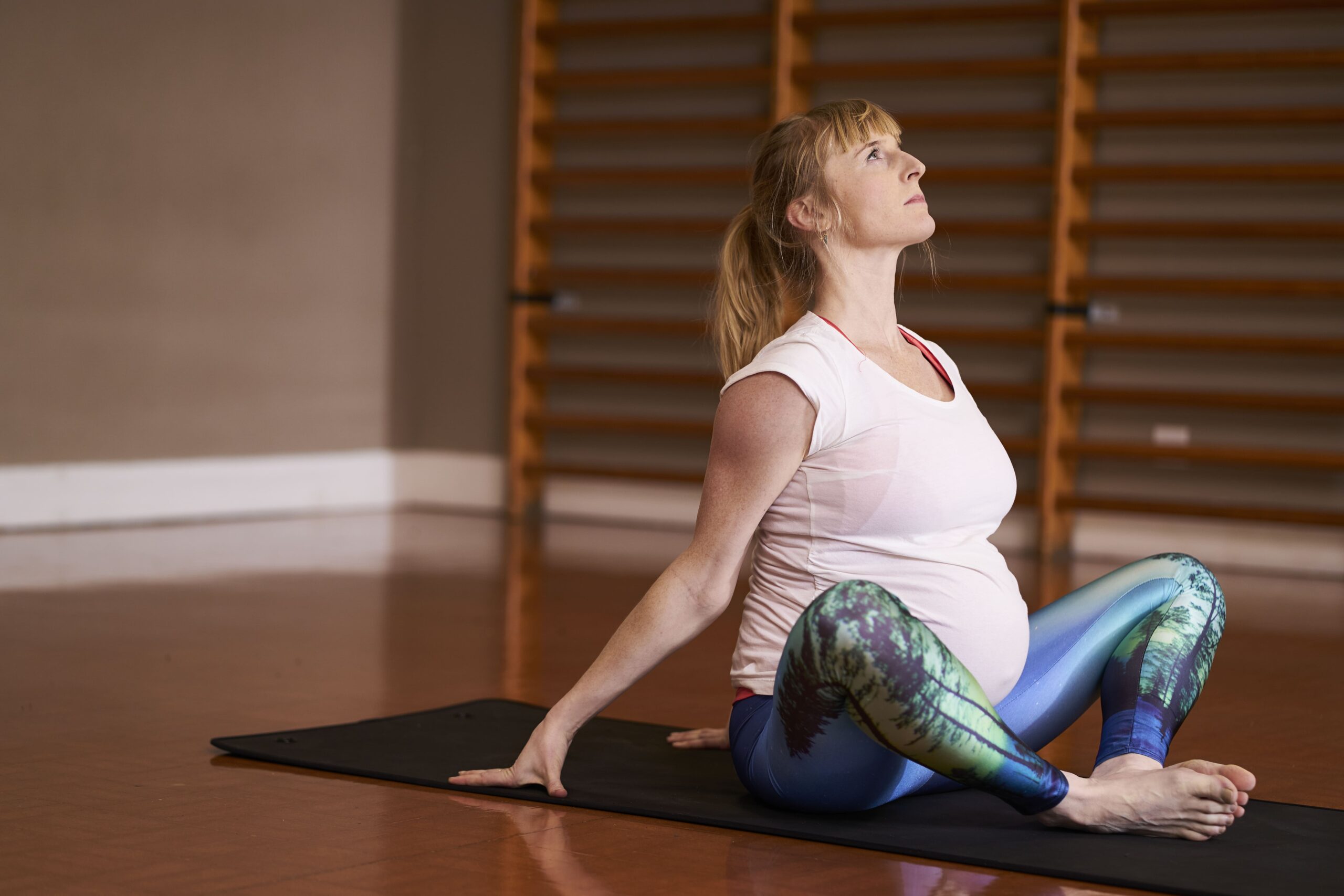
Pregnant women face barriers to being physically active, and these challenges often continue during the first six months after birth. The physical side effects of pregnancy can make movement and exercise more difficult. Psychologically, there are often doubts about how safe physical activity is during pregnancy, along with a general lack of awareness about the benefits it can provide for overall pregnancy health.
By recognising the barriers, we can start to shift the social norms that exist around movement and motherhood. Work carried out by organisations like The Active Pregnancy Foundation, and initiatives such as This Mum Moves, are tackling this issue head on. Their work is creating the conditions for movement to be seen as a normal part of pregnancy and early motherhood.
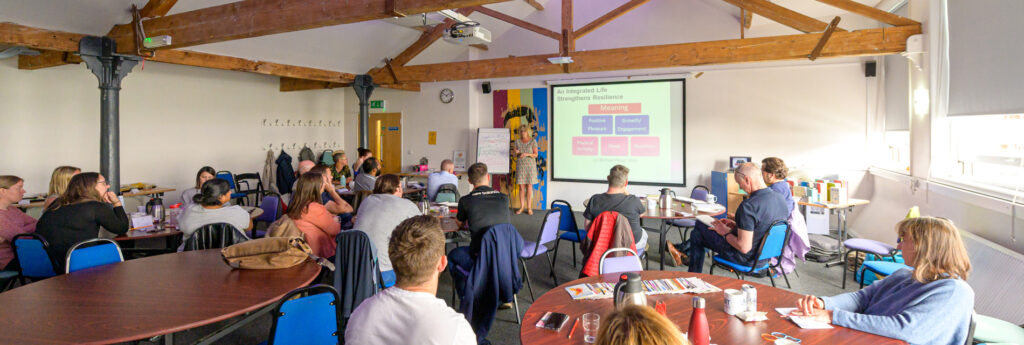
GM Moving recently supported Katie Cole, a lecturer on the Midwifery course at Manchester University, to attend a This Mum Moves Training course. As a strong advocate for physical activity, Katie is well placed to help shift how movement is embedded into teachings for the next generation of midwives.
We caught up with Katie after she attended the training to get her thoughts.
How is physical activity currently embedded in/talked about within the midwifery degree?
Katie: It is not embedded but I personally would teach a session to the 1st years and 3rd years, as ad hoc sessions. However, [since the training] I have now created the 2026/2027 timetable where it will be a thread through 1st year to 3rd/ 4th year.
Why is it important to have key advocates within university who can champion the role of physical activity? And what role can things like this mum moves play in supporting this to become more embedded into curricular?
Katie: Having key advocates for physical activity will ensure that someone will follow the thread throughout the years and ensure students understand the background/ physiology, the evidence and how to actually implement advice. Having a champion in the university will emphasise to the students that it is a key public health issue and to recognise the key role midwives should play for advice and ongoing support.
This mum moves have already supported this to become more embedded through the ambassador training, which has all the resources. There are also networking opportunities where there could be opportunities to ask expertise in similar areas to provide guest teaching sessions or workshops.
How did you find the This Mum Moves session?
Katie: The training was really beneficial – I was already very familiar with the background and physiology due to my PhD but then discussing the implementation and how to outline the evidence in a service user friendly way was very beneficial.
What has been the impact of you attending the session so far?
Katie: I have already had a meeting to organise the implementation of the training into the timetable and also we will do an evaluation, to identify the best year to do this training and whether it supports the student’s implementation of advice and guidance into their care.
Any final thoughts about how important physical activity is in pregnancy, and how healthcare professionals can support women to be more active during this period?
Katie: Understanding the importance of physical activity is a key component of not only a healthy pregnancy, but for lifetime health. Physical activity (or lack of) during pregnancy can impact the health of women and the offspring throughout their life. Healthcare professionals including midwives, GPs and obstetricians, have an obligation to provide evidence-based care which should include physical activity discussions for ALL women and not just focusing on those overweight, recognising it as a key preventative measure for a range of health implications.
Quote from our partner at The Active Pregnancy Foundation
Dr Marlize De Vivo, CEO of The Active Pregnancy Foundation and Principal Research Fellow at the Advanced Wellbeing Research Centre, Sheffield Hallam University said:
“This marks a meaningful shift in how we prepare the future maternity workforce. Pregnancy is a critical window for influencing both immediate and lifelong health, yet physical activity has not been consistently embedded within professional education. By integrating the This Mum Moves educational model into undergraduate midwifery training, we are aligning education with the evidence and ensuring that midwives enter practice equipped to support women with confidence, clarity and consistency. The recent WHO guidelines on diabetes in pregnancy, which explicitly include physical activity as part of care, make clear that this is no longer optional, it is fundamental.
Whilst initially focussing our research efforts in Manchester, this is not about one programme or one institution, it signals what should become standard across healthcare education. We would actively encourage other universities and healthcare courses to consider how physical activity is addressed within their curricula, and we welcome interest from those who would like to be part of this work as it develops.”
Further information
Find out more about this work, visit This Mum Moves.
Ready to learn more, or get involved? Please contact Kate Harding, Strategic Lead for Health Inequalities.