Exploring the problem:
GM Moving know that if we want to enable active lives for all we need to break down structures that hold inequalities in place. Tackling systemic inequalities requires innovative ways of working that are led by the needs of the community.
Through the Sport England Inequality Metric (see below), we can better understand the way that inactivity spikes when individuals have two or more inequality characteristics.
To tackle inactivity, we need a targeted approach which is focused on removing the barriers for those facing intersecting inequalities.
Percentage of people in GM who are inactive (less than 30mins a week) by characteristics of inequality:

Tackling inequalities in Bolton:
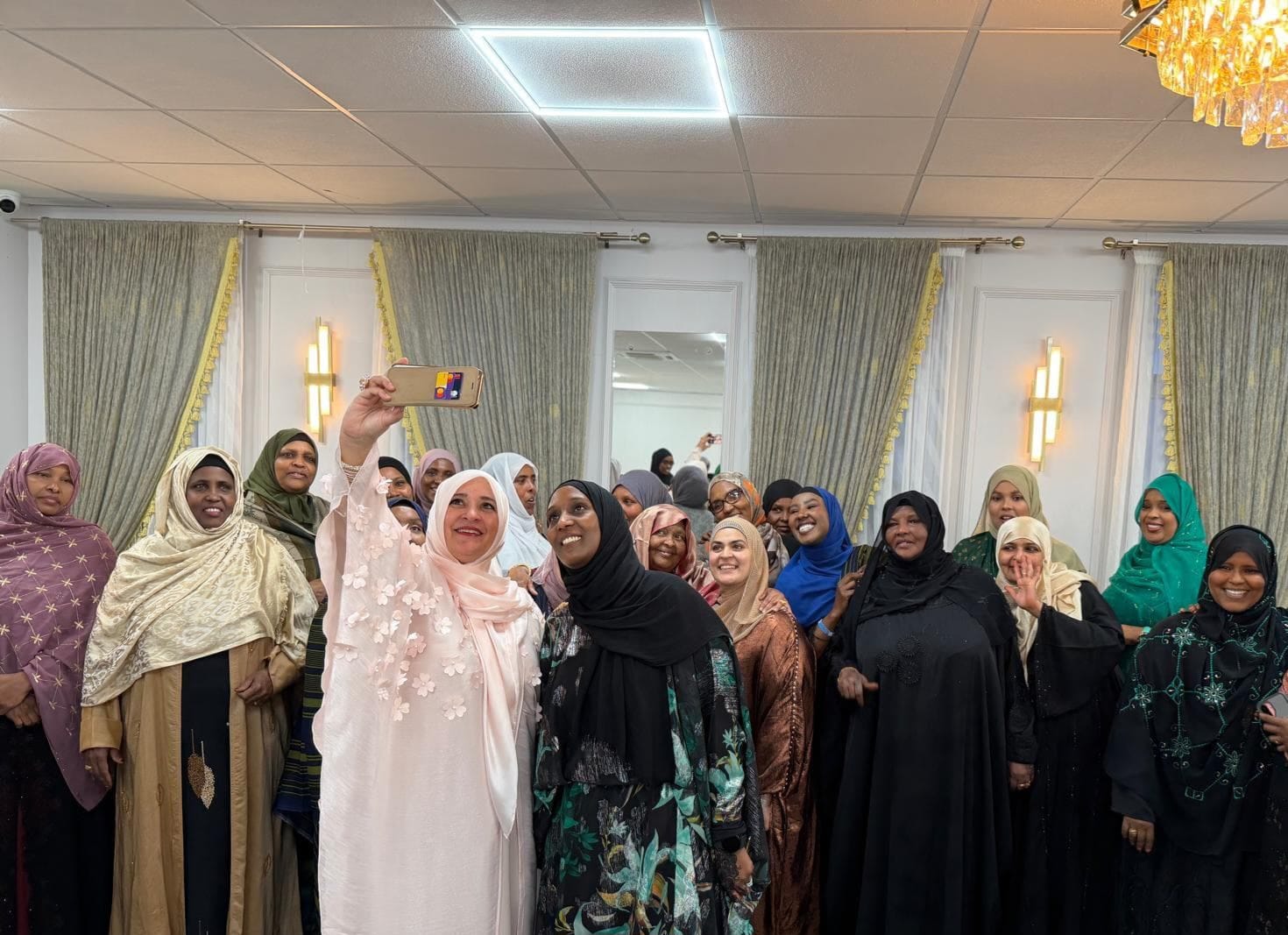
This is exactly what is happening in Bolton, Camphora Care have been working with women from the Somali community to reduce isolation, support health and wellbeing, and increase access to services.
Fardous Umal is an experienced Psychological Wellbeing Practitioner (PWP) in Bolton NHS Talking Therapies and a community champion. She’s committed to supporting people to live happier and healthier lives through developing services that are rooted in tackling the barriers that communities face.
Through their community engagement work Camphora Care found out that there were lots of women within the community who were spending a lot of time at home, isolated and often struggling with physical and mental health issues but not knowing where or how to get support.
In response they created a 6-week pilot programme of workshops in Daubhill, Bolton, designed to be culturally appropriate and focused on creating a space where the women could get all their needs met through practical advice, onward referrals, and the development of new skills.
Each session included dedicated time for movement and physical activity including things like traditional Somali dance.
The sessions also created an opportunity for women to engage with health information and advice that was culturally appropriate. This included ways to make cultural meals healthier, alternatives to traditional forms of exercise, and support to connect with services that can support them.
Impact:
The impact of this pilot is clear. Through taking the time to connect with and understand the community Camphora Care have created a safe and welcoming space which week on week over 30 women have attended.
New connections and friendships have been made, for one woman this was the first time being with others from her community in over two years.
These friendships have helped support wider behaviour change outside of the sessions with many of the women starting to make changes within their home lives.
It is estimated that around 85% of the women have continued to be more active because of attending these sessions. With the new friendships providing the support and motivation for these shifts to be embedded.
The expertise brought by Fardous has also allowed for new pathways into statutory services for example, nine of the attendees have now been referred to mental health services.
Key learning:
Whilst we know that tackling inequalities requires targeted localised approaches there is still learning that is transferable.
- Consistency: Change doesn’t happen overnight, to break down systemic barriers support provided needs to be consistent. The sessions ran every other week, they lasted 2-3 hours each time and took place over a period of 6 weeks.
- Co-design: Working with groups being targeted to design what will be delivered means programmes are more likely to engage communities and meet their needs.
- Community led: Having facilitators from the community delivering the sessions supports the creation of a safe, inclusive space that people feel is for them. This can sometimes take longer as it can require training and capacity building for people within communities to deliver programmes.
What’s Next for Camphora Care?
Building on the success of the pilot programme, Camphora Care plans to continue supporting women to live happier, healthier, and more connected lives.
The next phase will focus on maintaining the friendships and support networks created through the sessions by offering regular wellbeing activities, opportunities for physical activity, and safe spaces for women to connect.
Camphora Care will also work to develop Community Health Champions from within the community, helping women build confidence and skills to support others and share important health information.
Working closely with health and community services, Camphora Care will strengthen pathways into support, ensuring more women can access help for their physical and mental wellbeing when they need it.
By continuing to co-design services with local women and building on the trust established through the pilot, Camphora Care aims to reduce isolation, improve wellbeing and create lasting positive change for Somali women and their families.
Get in touch
Contact Niamh Carroll, GM Moving’s Research & Evaluation Lead