Making movement and physical activity part of health and social care is an important way to tackle inactivity across Greater Manchester. The Active Practice Charter gives GP practices and Primary Care Networks a chance to focus on and celebrate the work they are doing to help patients and staff be more active and spend less time sitting.
Over the last few years, there has been considerable growth in the number of Active Practices in Greater Manchester. Forty-three practices are now signed up to the charter, an increase from 13 in 2023/24. This increase highlights a growing commitment from healthcare professionals to champion the role of movement and physical activity in health creation.
A shift in Tameside
In Tameside, Dr. Nita Taylor from Grosvenor Medical Centre is driving this shift. She is using walking as a powerful way to engage with patients to tackle inactivity and social isolation. Dr Taylor recognises that the number one cause of chronic diseases such as diabetes, obesity, heart disease, and hypertension is lifestyle, particularly sedentary behaviour, and that incorporating daily movement can significantly reduce the risk of these conditions. Frustrated by the limitations of the conventional medical approach to chronic illness and inspired by the potential of lifestyle medicine, Dr. Taylor is determined to make a more meaningful impact on people’s lives. She recognises the vital role healthcare providers can play outside clinical settings and is focused on helping people make sustainable, healthy behaviour changes in their everyday lives.
Walking with purpose
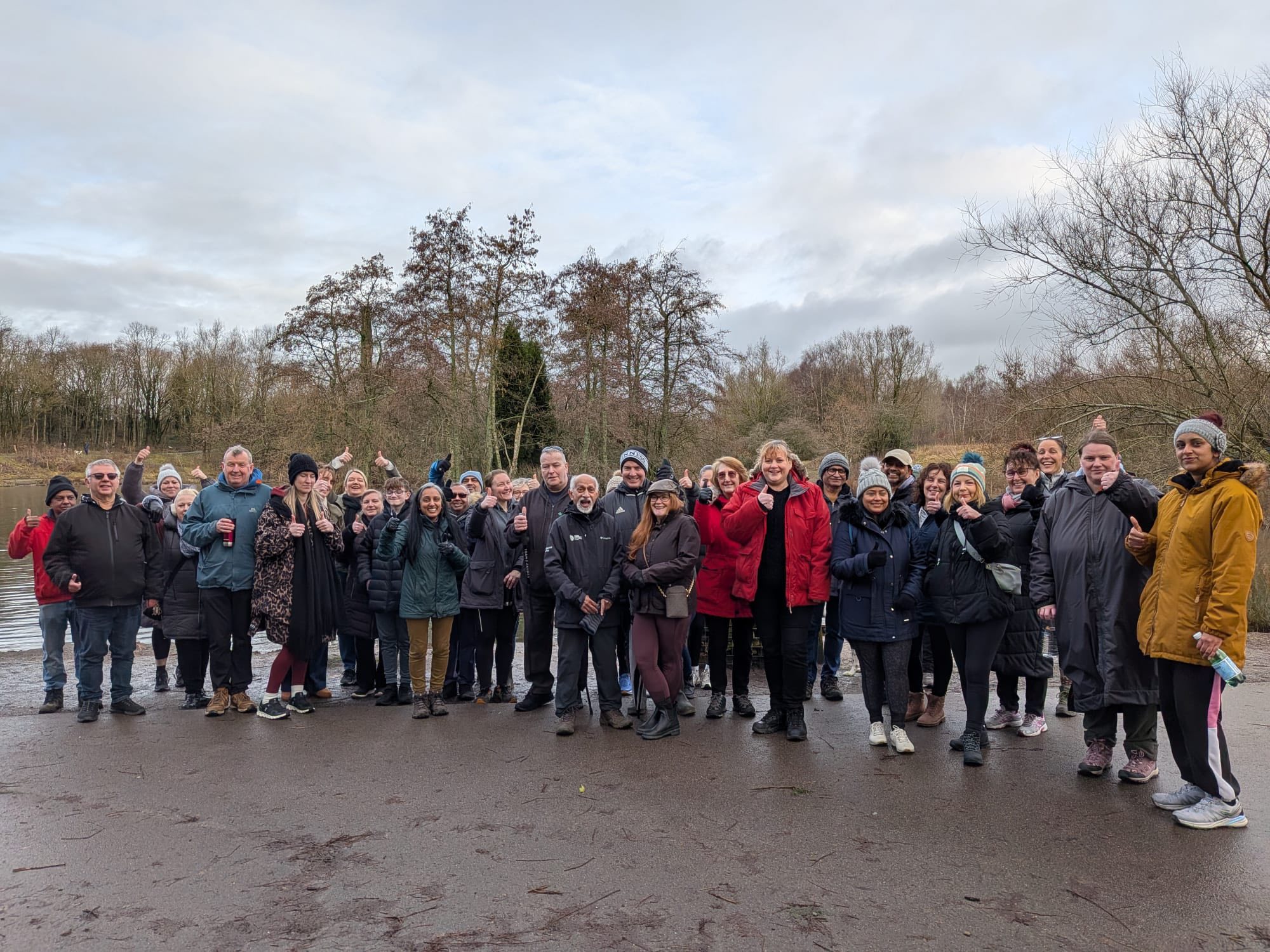
Through the ‘Walk with a Doc’ initiative, Dr. Taylor has set up monthly weekend walks open to anyone in the local community. On the second Sunday of each month, Dr. Taylor (alongside volunteers from local practices) leads a walk around Stamford Park in Tameside. Each session begins with an informal conversation on a health and wellbeing topic that participants are curious about, igniting dialogue about healthier lifestyles and building connections. The group then follows the route of the local parkrun, spending time moving, chatting, and enjoying the outdoors together.
Making an impact
These walks have brought together more than 30 people each month—despite the cold, wet, and windy conditions—demonstrating the local appetite for movement and social connection. Although the programme only began in January, the impact is already clear. After following the parkrun route during their walks, some participants have since felt comfortable enough to try out the parkrun themselves on Saturday mornings, either by volunteering or walking.
The walks have also offered a lifeline for those struggling with health challenges or loneliness. For participants who were a little apprehensive about being active or had mobility issues, this has been an accessible, supportive way to get started.
Conversations among participants have sparked ideas for staying connected beyond the monthly walks, including suggestions for a WhatsApp group and additional informal community walks. The enthusiasm shows how shared movement naturally inspires people to build their own networks of support.
Stepping up: A virtual challenge that energised primary care
Alongside the community walks, Dr. Taylor also organised a six week virtual step challenge for primary care staff across Tameside, using the ‘Big Team Challenge’ platform. The challenge proved hugely popular and unexpectedly competitive, creating a real buzz among teams and engaging many members of staff – including those who were otherwise less active. By turning daily movement into a shared goal, the challenge boosted activity levels and strengthened camaraderie across practices. This challenged has showed that small, playful interventions can have a big impact on workplace wellbeing.
Lessons for others
For Dr. Taylor, a key part of this initiative has been about letting go of a risk-averse mindset often seen in health and social care settings, and allowing new initiatives to emerge that focus on the benefits of everyday movement and social connection.
She encourages others not to be afraid of trying out a good idea. It’s important to recognise that resistance or apathy is common at first, but that passion, persistence, and belief in the value of an initiative can lead to success.
To ensure long-term sustainability, she emphasises shared responsibility. Engaging staff across the practice – pharmacists, nurses, health coaches, and GPs – brings new perspectives and makes sure that the success of such initiatives doesn’t rely on one person alone.
Promotion has also been key. Using a range of channels such as social media, the surgery website, and physical flyers handed out during patient conversations has helped to boost the reach and participation for the walks.
Ultimately, addressing sedentary behaviour and social isolation requires collective action. It is everyone’s responsibility to act – government, community, medical staff, and individuals alike. We need to make physical activity a normal, enjoyable part of daily life. The actions we take today to enable active lives will lead to long-term improvements in the health and wellbeing of communities across Greater Manchester.
A reflection from Dr. Taylor
“Health isn’t built in clinics – it’s created in our conversations, our communities, and the steps we take together.” – Dr. Nita Taylor