Following GM4Women’s latest data reveal, our Research and Evaluation lead, Niamh Carroll, shares her reflections on the findings and next steps.
As we approach International Women’s Day (IWD), we have a great opportunity to pause and reflect on the data and insight around physical activity for women and girls and make informed decisions about where we go next to tackle the gender activity gap.
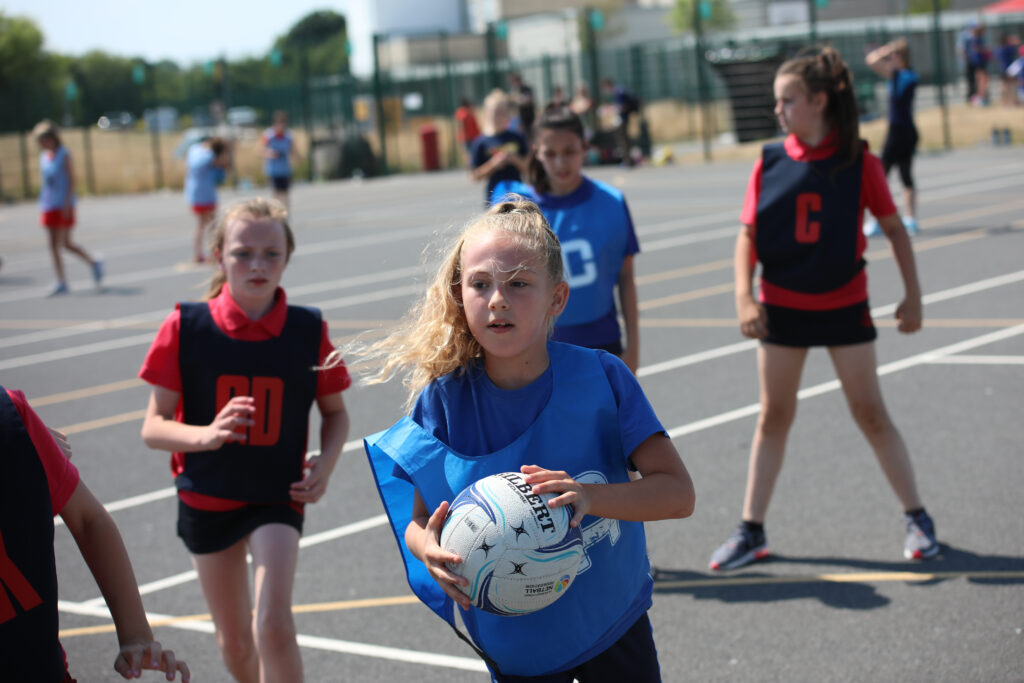
Across Greater Manchester, since the pandemic we have made great progress in reducing inactivity for women and girls. Yet there is more work for us all to do, in some of our places the gap between men and women remains stark.
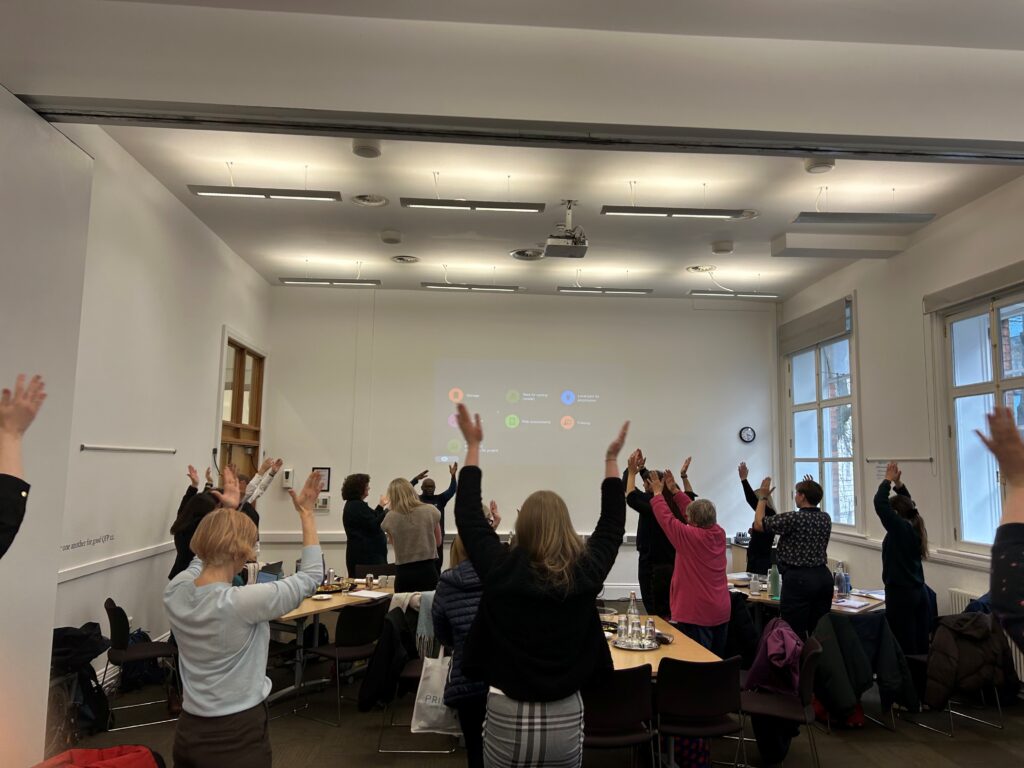
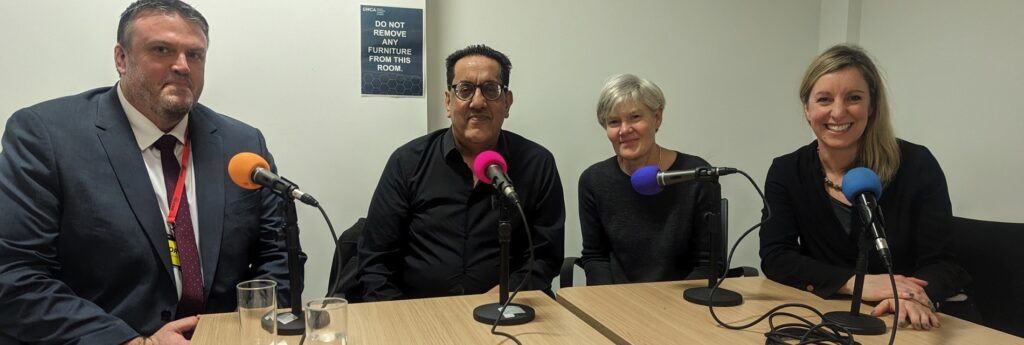
I recently had the opportunity to do this by attending the GM4Women’s latest data reveal. It was great to be in the room with so many people from across Greater Manchester who are passionate about shifting the conditions to create a fairer, safer, more inclusive GM where women and girls can thrive. Having these spaces to connect and share data and learning from across different sectors is incredibly valuable. These spaces help us havea well-rounded, holistic view of how things are shifting for women and girls. It was powerful to see the breadth of work that is taking place to create a more equitable society. See the full GM4Women 2028, Pankhurst-Fawcet report.
I recently shared new headline Sport England Active Lives data, looking at the gender activity gap from a national, GM and local perspective. This data helped us dive home why women and girls’ activity needs to be everyone’s business. What was so powerful about the breakout session was being able to dig deeper and explore why such inequality exists. This in-depth analysis will help us to better understand the barriers that hold inactivity in place.
If there is one thing to talk about this IWD, it is intersectionality. It is only when we understand this inequality through an intersectional lens that we have the opportunity to tackle inactivity. We need approaches that understand the intersecting barriers that our least active populations face to moving more. Across GM this means focusing on women living with a limiting illness, those not working, women from low socio-economic backgrounds and those from Global Majority communities.
The responsibility to move things in the right direction belongs to all of us. The first step is widening the lens that we look through. The data tells us that the gap between male and female physical activity levels exists, now we must use this insight to inform and direct our actions. GM Moving has access to incredible data and research, which helps us move beyond the statistics and gives us insight into the barriers faced by women and girls across the life-course.
There is also data all around us, which we can tap into by asking good questions to people across Greater Manchester. By having conversations with our colleagues, family, friends and local communities we will learn more about what is needed to make Greater Manchester a more equitable place for women and girls to thrive.
I’m here to be part of these conversations. I’m looking for chances to listen and speak with the people and communities working to address the activity gap for women and girls. If you are working in this area, please contact me via Niamhcarroll@gmmoving.co.uk. I can join conversations to share and explore the data we have, and I can deliver a session to organisations across Greater Manchester.