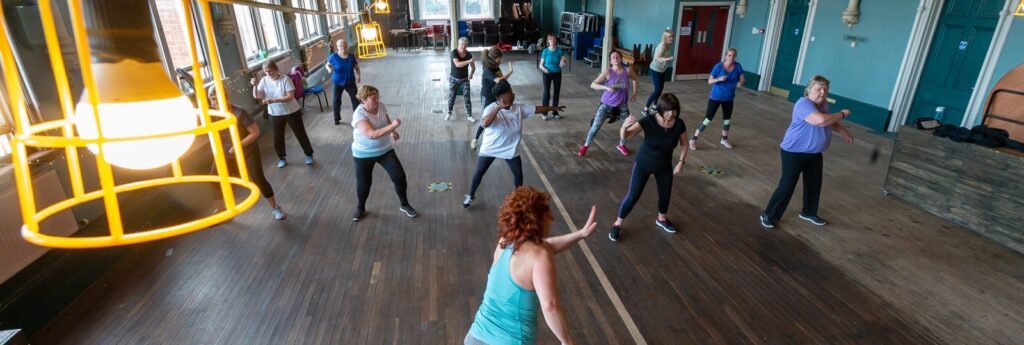
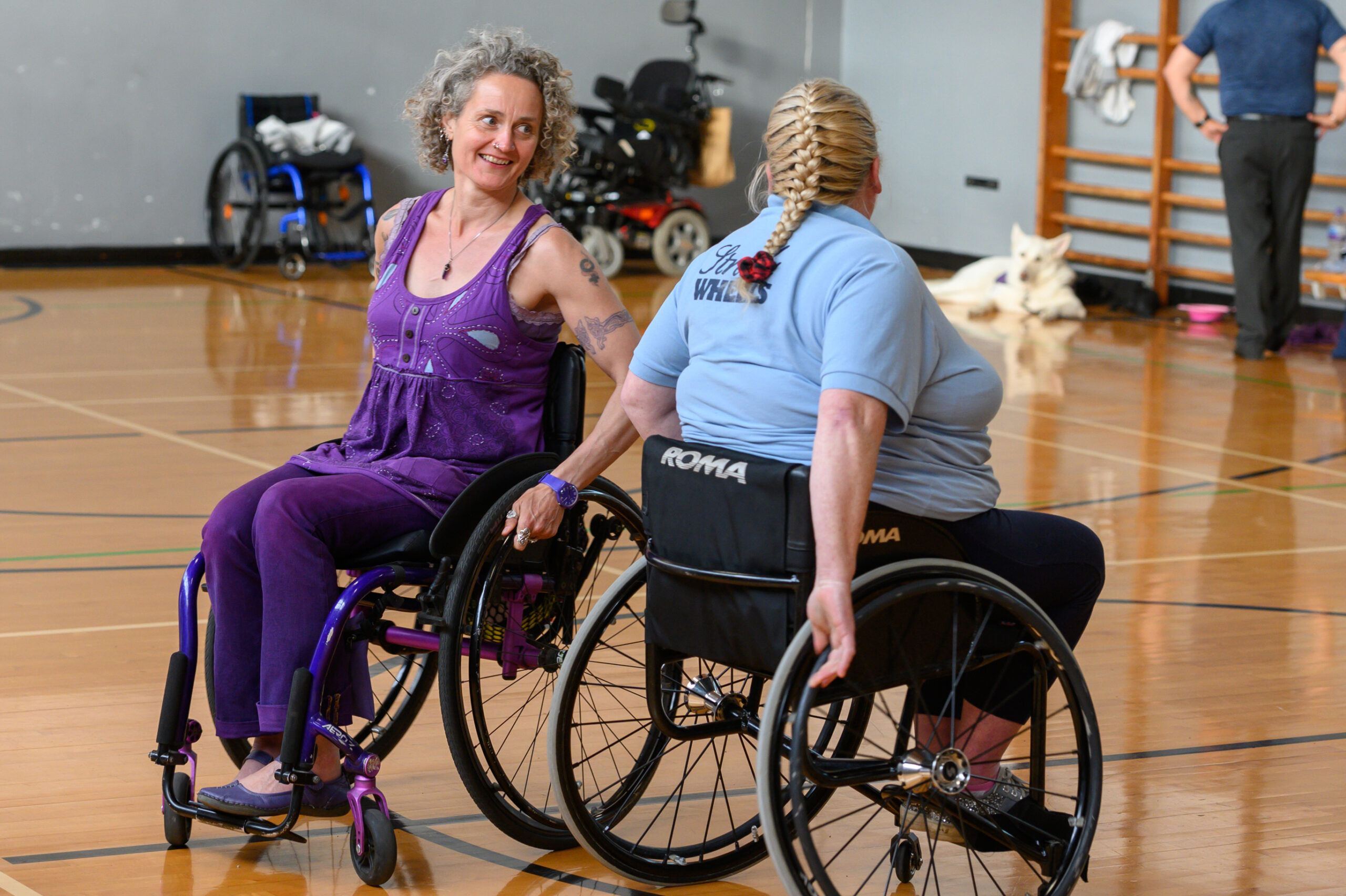
Activity Alliance’s Annual Disability and Activity Survey, supported by Sport England, has been released this week giving an in-depth comparison of disabled and non-disabled adults’ experiences of sport and activity.
Complementing Sport England’s Adult Active Lives Survey, the report provides greater detail on the perceptions, experiences and issues important to adults with disabilities. Some findings from the report show that;
- Disabled people are still twice as likely to be inactive as non-disabled people.
- Four in five (81%) disabled adults want to do more activity than they currently do compared with fewer than three in five (57%) non-disabled people.
- Just four in 10 (40%) disabled people feel they are given the opportunity to be as active as they would like to be compared with seven in 10 (71%) non-disabled people.
- Two in three (67%) disabled people said they would listen to GPs, doctors and nurses about taking part in activity.
The report also makes three key recommendations;
- To address the wider determinants of inactivity
- Design and lead a choice of accessible activities
- Challenge perceptions through inclusive and accessible communications
The activity levels of disabled people in Greater Manchester mirrors that of the national picture; with more people becoming active but remaining twice as likely to be inactive. From November 2015-16 to May 2018-19, inactivity has decreased by 2.7% for those with a disability or long term health condition to 43.4%. However only 22.1% of people without a disability or long term health condition are inactive, highlighting the need for more to be done to enable disabled people to move more. Read more about Greater Manchester activity levels here.
In Greater Manchester we are dedicated to reducing the activity gap and as part of the Local Pilot work, eight of the ten boroughs are focusing on getting people with long term health conditions more active. Working at a locality level, partners are working with individual GP practices and social prescribing link workers to signpost people to suitable, local activities. The aim being to not only increase their physical activity levels, but also to help with wider health outcomes such as reducing social isolation and improving mental health.
Work is also underway to promote Active Practices, a charter set up by the Royal College of GPs and Sport England, providing guidance for GP practices on how to increase activity amongst both patients and staff. Boroughs are also utilising Public Health England’s Clinical Champions workshops where peer to peer training is used to upskill health practitioners on the benefits of physical activity.